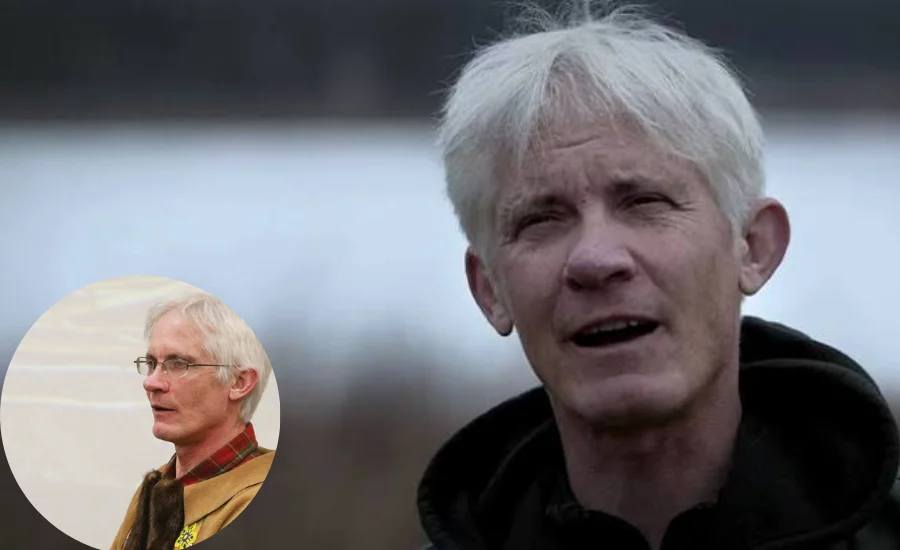
Andy Bassich wasn’t discovered. He wasn’t cast from a talent pool or plucked out of an audition line. By the time National Geographic came calling in 2013, he’d already been living the kind of life most of “Life Below Zero’s” audience would never survive a single winter of for decades, with no cameras watching at all. That’s the part of his story that gets flattened into a two-line bio on most fan sites: the guy who lives with sled dogs on the Yukon River didn’t move there for a TV show. The TV show moved to him.
He grew up biking to the Smithsonian. He ended up running sled dogs on a frozen river 122 miles below the Arctic Circle. Somewhere in between, National Geographic showed up with cameras.
Did you know that one of the most recognizable faces of Alaskan survival television spent his teenage years riding a bike down Rock Creek Parkway in the middle of suburban Washington, D.C.?
Biography Table
| Full Name | Andy Bassich |
| Known For | Original cast member, “Life Below Zero” (National Geographic) |
| Hometown | Wheaton, Maryland |
| Education | John F. Kennedy High School, class of 1976 |
| Moved to Alaska | 1980 |
| Home Base | Calico Bluff / Eagle, Alaska, along the Yukon River |
| Earlier Career | Riverboat captain (approx. 20 years); trained cabinet-maker and carpenter |
| Former Spouse | Kate Bassich (divorced 2016) |
| Current Partner | Denise Becker |
| Companions | A working pack of roughly 24–25 sled dogs |
| Show Run | 2013–2025 (23 seasons) |
| Other Involvement | Subsistence and fisheries advisory panels/committees |
Next Read: Judy Helkenberg
What is Andy Bassich?
Andy Bassich is an American television personality, survival expert, outdoorsman, and former riverboat captain best known for appearing on the National Geographic series Life Below Zero. He rose to fame by showcasing his off-grid lifestyle along the Yukon River near Eagle, Alaska, where he has spent decades living through extreme Arctic conditions using traditional survival skills. His ability to hunt, fish, trap, and care for a large team of sled dogs has made him one of the most recognizable figures in wilderness television.
Before becoming a television personality, Andy Bassich worked as a cabinet maker, carpenter, and riverboat captain after moving from Maryland to Alaska in 1980. Unlike many reality TV personalities, he had already been living a self-sufficient lifestyle for years before Life Below Zero premiered in 2013. His dedication to living off the land and adapting to one of the world’s harshest environments continues to make him a respected figure among fans of survival and outdoor living.
A Maryland Kid With an Alaska-Shaped Hole in His Chest
Andy Bassich was raised in Wheaton, Maryland, where he completed his education at John F. Kennedy High School in 1976. He trained as a cabinetmaker and carpenter and was working steady jobs in Virginia by his early twenties. On paper, that’s a normal life. But he’s described feeling a pull toward Alaska that started right around graduation, a pull strong enough that he almost left for the state that same year, before family obligations, including his sister’s wedding, kept him in Maryland a little longer.
The pull didn’t go away. Around age 22, in 1980, he finally made the move north for good, and by his own account, he’s never once regretted it or looked back.
Bassich has said his grandmother was the one who pushed him to actually go, encouraging him to chase the dream instead of staying comfortable in a carpentry career back east.
Twenty Years Behind the Wheel of a Riverboat
Before “Life Below Zero” ever existed as a concept, Bassich spent roughly two decades working as a riverboat captain on the Yukon River. That job wasn’t just a paycheck; it’s also how he met his future wife, Kate, up in Dawson City. The couple later established a remote homestead near Eagle, Alaska, along the Yukon River, where they lived with a team of around two dozen sled dogs.
Winters there aren’t a metaphor for hardship; they’re the real thing. Temperatures can fall to 60 degrees below zero, and once the river freezes, the Bassich homestead becomes cut off from any nearby town for months at a stretch.
When the Cameras Arrived
“Life Below Zero” premiered on National Geographic in May 2013, built around six Alaskans living outside the reach of modern infrastructure. Bassich was part of that original lineup from day one, and he stayed with the series through most of its run a run that ultimately stretched to 23 seasons before the show wrapped in February 2025.
Life on camera didn’t erase the seasonal rhythm he’d already been living for years. He’s described his year in terms most viewers would find unrecognizable: river ice breakup as his version of New Year’s, summer dominated by garden work and building projects, fall reserved for hunting, and the heaviest workload of the year spent fishing salmon to feed the dogs through winter.
A Marriage That Ended On-Screen, Sort Of
Kate Bassich was there for the earliest seasons of the show, but the marriage didn’t survive the spotlight, or simply didn’t survive, period the two divorced in 2016. The show didn’t dwell heavily on the split, moving instead toward the next chapter of Bassich’s life: his relationship with Denise Becker, who joined him at the homestead and became a regular presence in later seasons.
That relationship hasn’t been without its own controversy. Some viewers grew openly critical over the years of how Bassich treated Denise on camera, with pointed commentary circulating in fan spaces about the dynamic between them. It’s one of the more debated threads in Bassich’s on-screen legacy, a reminder that reality television rarely lets anyone control their own narrative completely.
More Than Just a Cast Member
Off camera, Bassich has stayed involved in the practical side of subsistence living in Alaska, serving on advisory panels and committees related to fisheries and subsistence rights. It’s a detail that rarely makes it into viral clips, but it points to a life that was never really built around being on television; the show just happened to document it for over a decade.
Social Media
Bassich’s public image was built almost entirely through “Life Below Zero” itself rather than a personal platform he curated on his own terms. His Instagram presence exists but functions more like a behind-the-scenes extension of the show, glimpses of dog teams, river conditions, and homestead projects rather than polished celebrity content.
Public perception of him has shifted over the years too: early seasons framed him as an admirable off-grid pioneer, while more recent seasons brought sharper scrutiny from fans over his relationship dynamics on screen. 23 Seasons on Life Below Zero 1980 Year He Moved to Alaska ~25 Sled Dogs at the Homestead
FAQs
Who is Andy Bassich?
He’s an original cast member of National Geographic’s “Life Below Zero,” known for living off-grid along the Yukon River near Eagle, Alaska.
Where is Andy Bassich from originally?
Wheaton, Maryland, where he graduated high school in 1976 before eventually moving to Alaska.
When did Andy Bassich move to Alaska?
In 1980, at around age 22, after years of feeling drawn to the state.
What did Andy Bassich do before appearing on TV?
He worked as a riverboat captain on the Yukon River for roughly two decades and had earlier trained as a cabinet-maker and carpenter.
Is Andy Bassich still married to Kate Bassich?
No. The two divorced in 2016 after appearing together in the show’s early seasons.
Who is Andy Bassich’s partner now?
Denise Becker, who joined him at the homestead and has appeared alongside him in later seasons of the show.
How many sled dogs does Andy Bassich have?
Around 24 to 25, based on figures reported across different seasons of the show.
Is “Life Below Zero” still airing?
No. The series ran from 2013 to February 2025 across 23 seasons before ending.
Has Andy Bassich faced criticism from fans?
Yes, particularly regarding how he’s treated Denise on camera in more recent seasons, a topic that’s been widely discussed among viewers.
Does Andy Bassich do anything besides appear on TV?
Beyond television, Andy Bassich has contributed to Alaska’s subsistence and fisheries advisory boards, supporting issues that affect rural communities.
Leave a Reply